
Chiropractic Care
Chiropractic care in University Place, WA
Turn the Power On
The idea behind the care
Your nervous system coordinates everything else. When spinal joints lose motion, the surrounding muscles guard, movement patterns change, and the signal between your brain and your body gets noisy. Dr. Anderson's job is to restore motion and reduce the interference so your body can get on with healing itself.
That's a functional way of looking at health rather than a symptom-chasing one. It also means care has an endpoint: once you're moving well and staying well, you decide whether you want to keep coming in. Nobody here will tell you that you have to.
How care works
What Dr. Anderson actually does
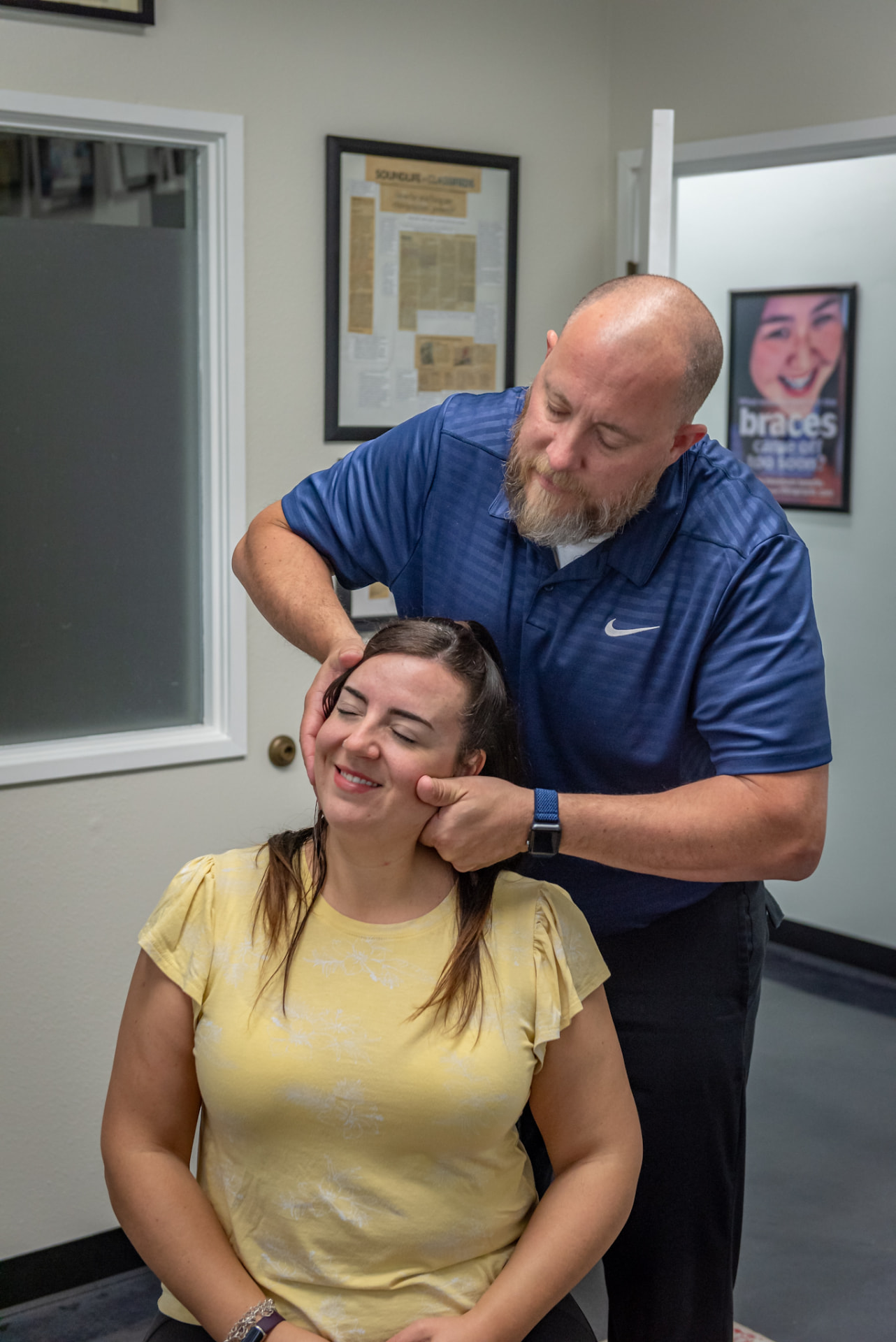
Hands-on adjustments
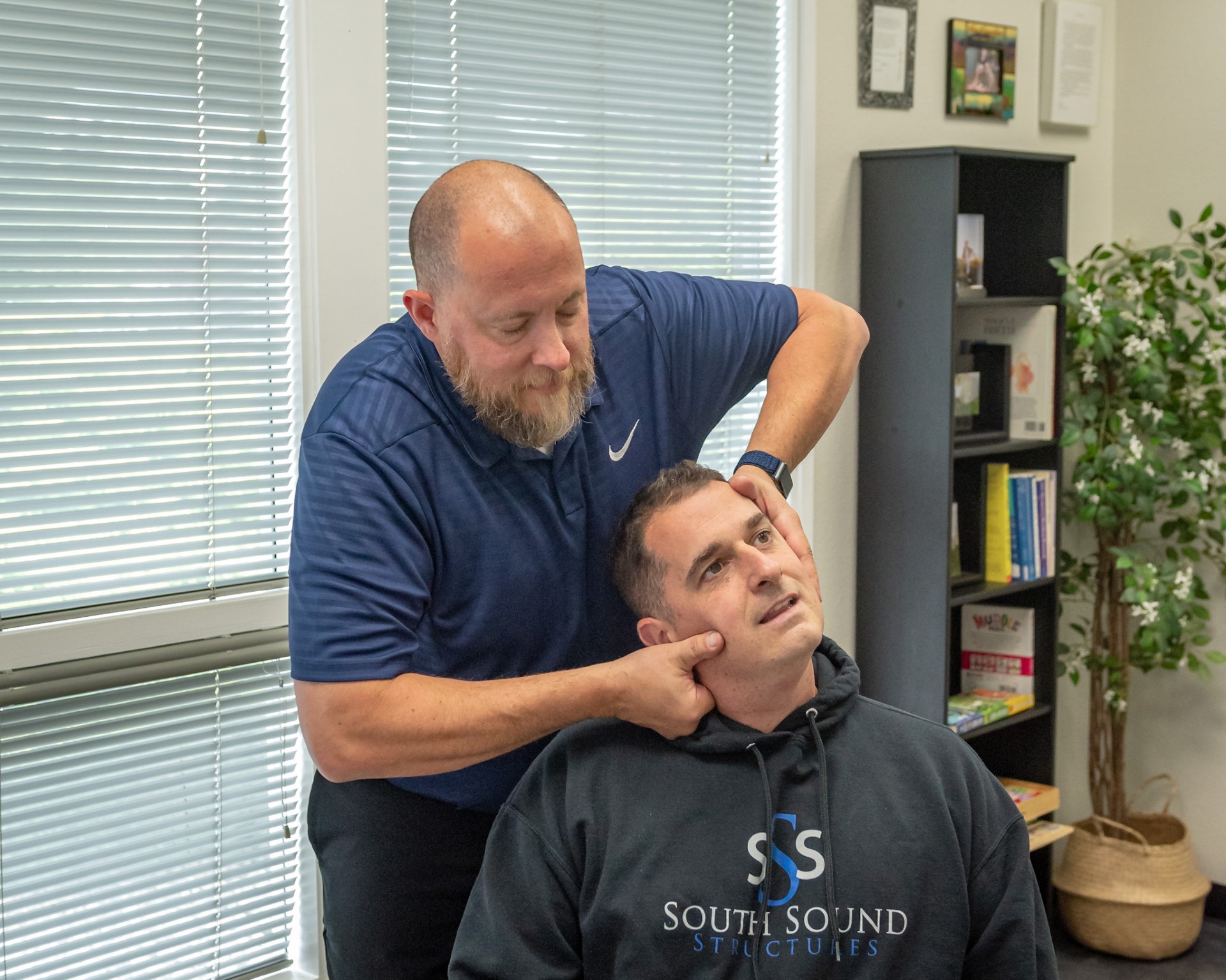
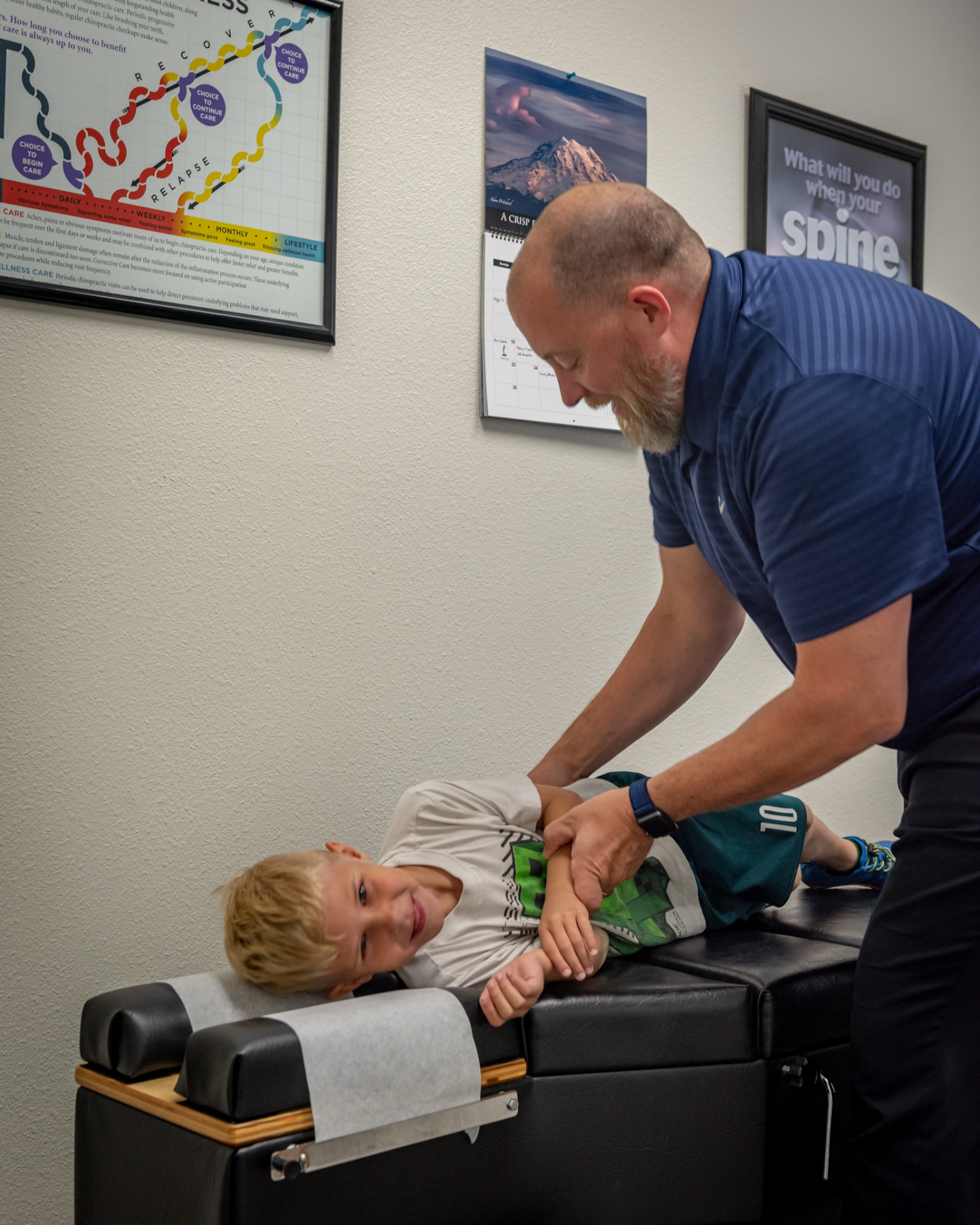
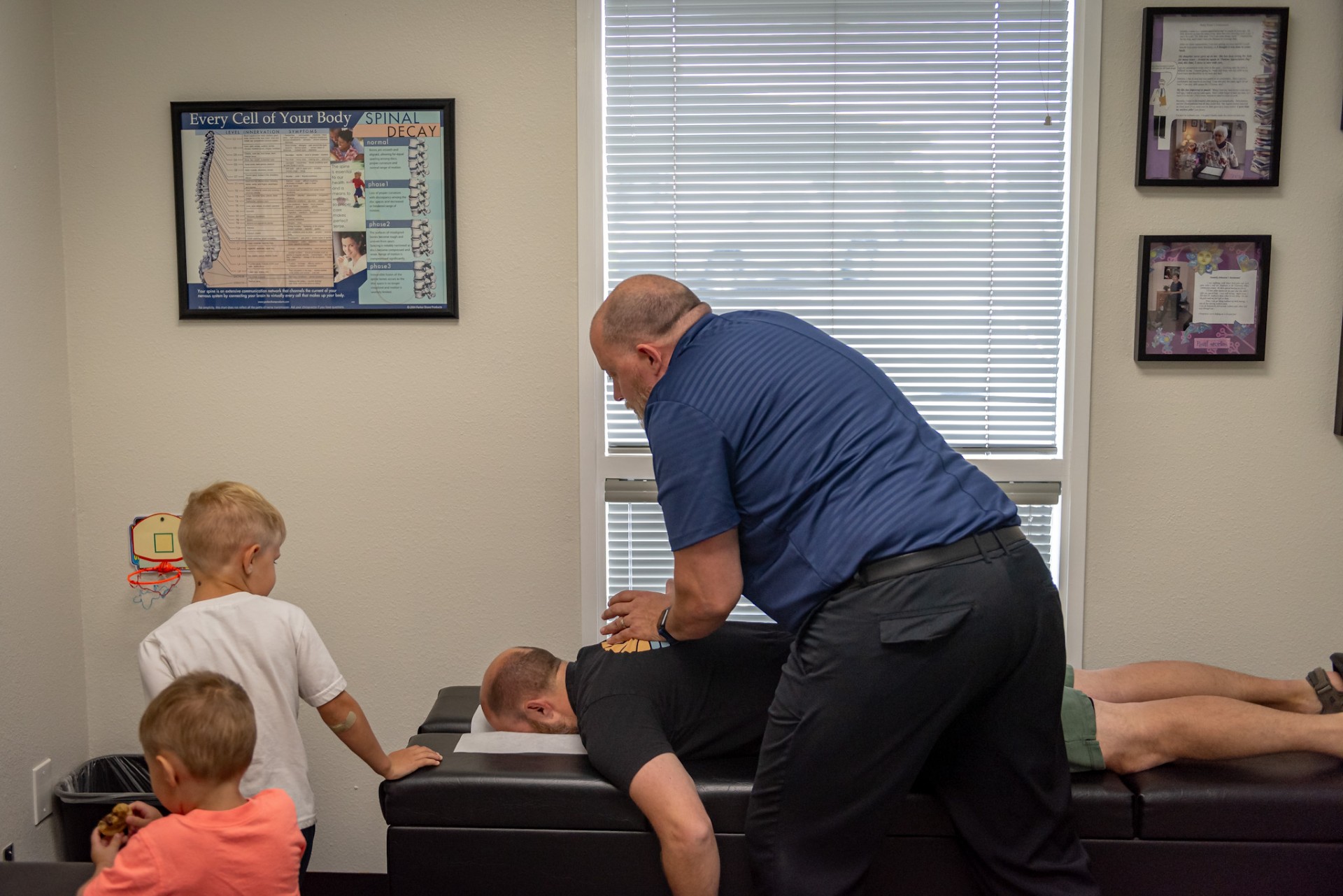
Chiro is the Greek word for hand. So the chiropractor's job title is truly "Practice with your hands". Specific, manual adjustments to the spine for the purpose of freeing the master system, the nervous system. Dr. Anderson explains what he's doing and why before he does it, every time.
Soft tissue work
Muscles and connective tissue don't stay quiet when a joint is unhappy. Addressing both together tends to hold better than treating either alone.
Movement and load guidance
What you do the other 167 hours a week matters more than the time you spend in the office. You'll leave knowing what to do and what to avoid.
Referral when it's warranted
Imaging, primary care, physical therapy, orthopedics, massage, Dr. Anderson will send you where you need to go rather than keep you on his schedule.
Techniques and tools Dr. Anderson uses
Dr. Anderson primarily uses Gonstead and Thompson drop-table techniques. He also uses Activator and Diversified methods when they fit the patient and the situation. He is certified in the Webster technique for breech babies.
When X-rays are appropriate, they are taken in-house with same-day turnaround.
Where to start
Care for what's bothering you
Back Pain
Read about Back PainNeck Pain
Read about Neck PainSciatica
Read about SciaticaHeadaches
Read about HeadachesSports & Active Lifestyles
Read about Sports & Active LifestylesMobility & Movement
Read about Mobility & MovementAuto Accident / Injury Care
Read about Auto Accident / Injury CareFamily Chiropractic
Read about Family ChiropracticQuestions
About the care itself
Frequently asked questions
- What does a chiropractor do?
- A chiropractor evaluates and treats problems involving the spine, joints, muscles and how the body moves. At Discover Chiropractic, that usually starts with a conversation about your symptoms and history, followed by an examination of how you move and where you're uncomfortable. From there Dr. Anderson may use hands-on adjustments, soft tissue work, movement recommendations or a referral to another provider when that's the right call.
- What happens during my first chiropractic appointment?
- Your first visit is mostly listening and examining. You'll tell Dr. Anderson what's going on and what you're trying to get back to doing, he'll examine how you move and where the problem shows up, and then he'll explain what he thinks is happening and what he recommends. If chiropractic care isn't the right fit, he'll tell you that directly.
- Do I need a referral to see a chiropractor?
- In Washington you do not need a referral from a medical doctor to see a chiropractor, you can schedule directly. Some insurance plans have their own requirements, so it's worth checking with your plan.
- Will I be adjusted during my first appointment?
- Not always, and that's on purpose. Whether you receive care on the first visit depends on what the examination shows and what's appropriate for you. Dr. Anderson would rather understand the problem first than rush a care plan that may not fit.
- Do you take X-rays?
- Yes. When Dr. Anderson determines X-rays are appropriate for your case, they are taken in-house with same-day turnaround.
- Can chiropractic care help with back pain?
- For many people with common low back pain, chiropractic care, including spinal manipulation, hands-on soft tissue work and exercise guidance, is a reasonable, non-drug option to consider. Results vary from person to person, and some back pain needs medical evaluation instead. Dr. Anderson examines you first and tells you honestly whether he thinks he can help.
- Can chiropractic care help with neck pain?
- Neck pain is one of the most common reasons people come to Discover Chiropractic. For appropriate patients, care may include gentle joint work, soft tissue care and specific movement or posture guidance. Dr. Anderson screens for the situations where neck pain needs a medical work-up rather than chiropractic care.
- Can chiropractic care help with sciatica?
- Sciatica, pain that travels from the low back or buttock down the leg, can have several different causes, and the right care depends on which one you have. After an examination, Dr. Anderson explains whether your presentation is something chiropractic care may help, or whether it should be evaluated by another provider first.
- Is chiropractic care appropriate for everyone?
- No. Certain conditions, injuries and medical histories make some chiropractic techniques inappropriate, and some symptoms need urgent medical attention. That's part of why the first visit is an examination and a conversation. If you're not a good candidate, Dr. Anderson will say so and help you figure out the next step.
- Where is Discover Chiropractic located?
- Discover Chiropractic is in University Place, Washington, and also sees patients from Fircrest, Tacoma, Lakewood, Steilacoom and the surrounding Pierce County communities. The full street address, parking notes and directions are on the Contact page.
- Do I need an appointment?
- No. Discover Chiropractic is a walk-in practice: come in during office hours and you'll be seen. If you'd like, call ahead so we know you're coming, but it's never required.
Come say hello.
If something's been bothering you, start with a conversation. Dr. Anderson will listen first and tell you honestly whether he thinks he can help.
Discover Chiropractic · University Place, WA